Whether you're navigating a dietary restriction, managing an egg allergy, embracing a vegan lifestyle, or simply found yourself in a mid-bake panic with an empty egg carton, the world of egg substitutes is a culinary revelation. Forget scrambling for solutions; today, countless ingenious ingredients offer themselves as stellar stand-ins, ensuring your pancakes stay fluffy, your cookies chewy, and your cakes perfectly moist. This comprehensive guide dives deep into the best and most easy egg substitute recipes, transforming common pantry staples into powerful alternatives that perform every role from binding to leavening.
Eggs are undeniably versatile, lending their magic to everything from savory breakfast casseroles to rich, decadent chocolate desserts. Their unique properties contribute structure, moisture, binding, and leavening to a myriad of dishes. But thanks to a growing understanding of food science and a dash of kitchen creativity, replicating these functions has never been easier or more delicious. Let's unlock the secrets to successful egg-free cooking and baking, ensuring you never have to compromise on taste or texture again.
Why Understanding Egg Replacements is a Kitchen Game-Changer
The beauty of egg substitutes lies in their ability to mimic the specific roles eggs play in a recipe. It's not a one-size-fits-all solution; rather, it's about matching the right substitute to the egg's primary function in a particular dish. Understanding this crucial concept is the first step to mastering easy egg substitute recipes. Eggs might be:
- A Binder: Holding ingredients together, preventing crumbling (think cookies, meatloaf).
- A Leavening Agent: Trapping air and creating lift, leading to light and airy textures (cakes, soufflés).
- A Moisturizer: Contributing liquid and fat, keeping baked goods tender and preventing dryness (muffins, quick breads).
- A Structuring Agent: Providing stability and form, particularly when cooked (quiches, custards).
- An Emulsifier: Helping to combine ingredients that would otherwise separate, like oil and water (mayonnaise).
By identifying the egg's primary job in your recipe, you can choose the most effective and often pantry-friendly alternative, turning potential kitchen dilemmas into delightful culinary experiments. The good news? Many of these substitutes are already hiding in your cupboards!
Top Egg Replacements for Every Recipe Role
Ready to discover your new go-to options? From simple fruit purees to clever seed concoctions and even the liquid from canned chickpeas, here’s a rundown of the best easy egg substitute recipes you need in your repertoire, complete with their ideal applications and expert tips.
Applesauce: The Moisture Maestro
Role: Adds moisture, light binding Best for: Muffins, quick breads, cakes, brownies where a subtle fruit flavor is welcome. How to use: Swap 1 egg with 1/4 cup of unsweetened applesauce. Why it works: Applesauce is a fantastic natural moisturizer, imbuing baked goods with a tender crumb and preventing them from drying out. Its mild flavor generally blends seamlessly into most recipes without being overpowering. Using unsweetened varieties is key to controlling the overall sugar content of your dish, allowing you to sweeten to your preference. Pro tip: For an added lift that mimics some of an egg's leavening power, consider adding a pinch (about 1/4 teaspoon) of baking powder to your dry ingredients when using applesauce as a primary egg replacement.
Flaxseed Meal (The "Flax Egg"): The Ultimate Binder
Role: Binder, adds structure Best for: Pancakes, cookies, dense breads, muffins, and most recipes where a strong binding agent is needed. It’s a game-changer for vegan baking. How to use: To create a "flax egg," mix 1 tablespoon of finely ground flaxseed meal with 3 tablespoons of water. Let the mixture sit for 5 to 10 minutes until it forms a thick, gel-like consistency. Use this in place of 1 egg in your recipe. Why it works: When ground flaxseeds come into contact with water, they release mucilage, a soluble fiber that creates a viscous, gel-like texture remarkably similar to that of an egg. This "flax egg" excels at binding ingredients together, offering a robust structure. Plus, it brings a healthy dose of omega-3 fatty acids and a subtle nutty flavor, which can beautifully complement whole-grain recipes. Pro tip: Don't rush the resting time! This crucial step allows the gel to fully form, ensuring optimal binding power. For best results, use freshly ground flaxseed meal.
Chia Seeds (The "Chia Egg"): Flax's Mighty Cousin
Role: Binder, adds structure Best for: Puddings, brownies, hearty baked goods, and dishes that benefit from an extra nutritional boost. How to use: Combine 1 tablespoon of chia seeds with 3 tablespoons of water. Allow it to sit and thicken for 10-15 minutes, or until a gel forms. Use this mixture to replace 1 egg. Why it works: Much like flaxseeds, chia seeds develop a gelatinous texture when exposed to liquid, making them excellent binders. They are packed with fiber, protein, and omega-3s, adding nutritional value to your dishes. Pro tip: If you're baking lighter-colored goods and want to avoid the appearance of dark specks, opt for white chia seeds. Otherwise, the darker seeds will simply add a rustic charm.
Silken Tofu: The Creamy Connoisseur
Role: Binder, adds creamy texture, provides structure Best for: Quiches, custards, puddings, cheesecake, and dense, fudgy cakes. It's especially effective in savory applications. How to use: Blend 1/4 cup of silken tofu until completely smooth and creamy. Use this purée to replace 1 egg. Why it works: Silken tofu is incredibly versatile due to its high water content and smooth, delicate texture. When blended, it provides a creamy, rich mouthfeel and acts as a powerful binder, making it perfect for dishes that rely on the egg for its creamy consistency and structural integrity. It has a neutral flavor, making it adaptable to both sweet and savory recipes. Pro tip: For savory dishes, ensure you season the tofu well to complement the other ingredients. In sweet recipes, it contributes to a wonderfully fudgy texture.
Aquafaba: The Whipping Wonder
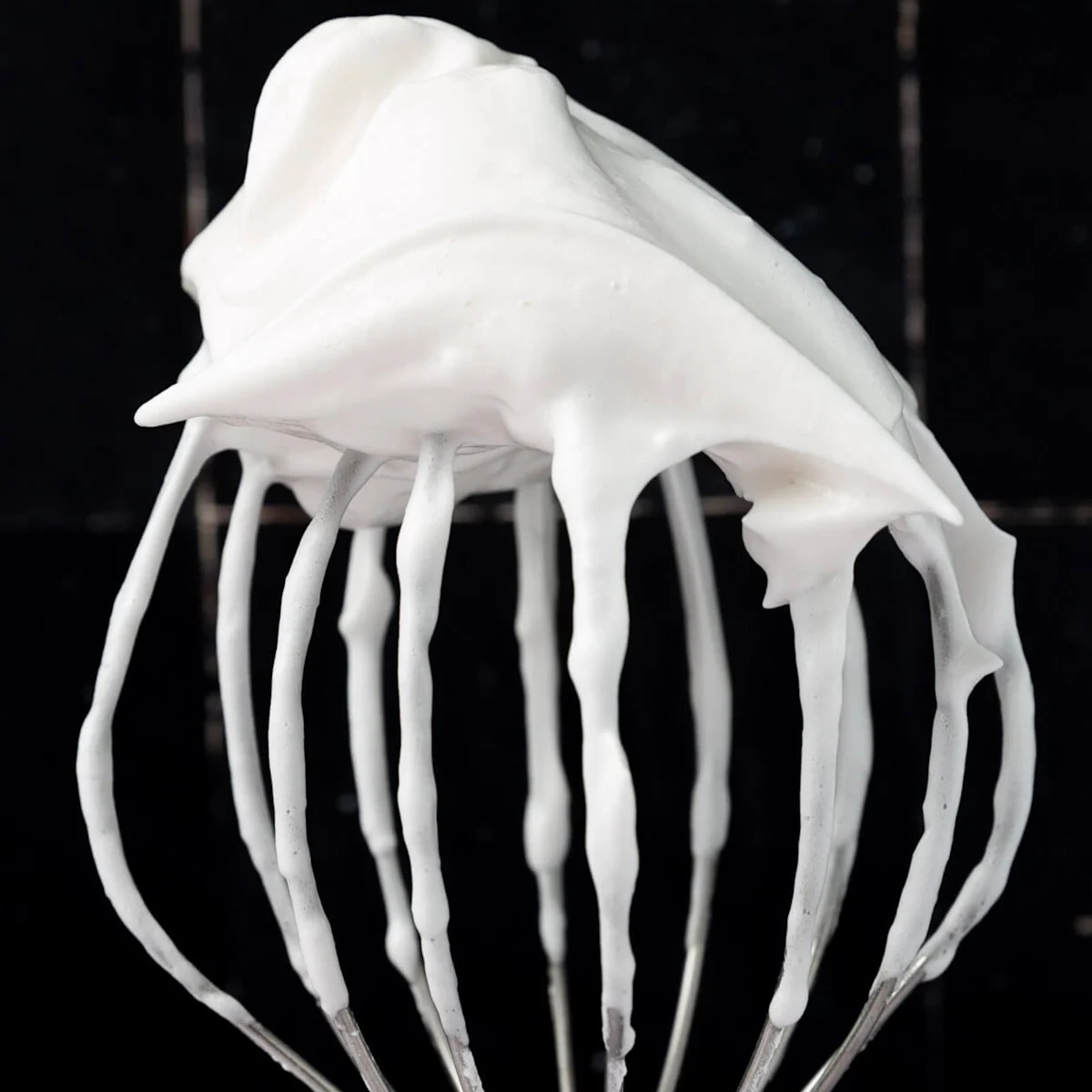
Role: Binder, leavening, foaming, emulsifying, adds moisture Best for: Meringues, mousses, macarons, pancakes, waffles, and anything requiring an airy, whipped texture, or general binding. Ideal for replicating egg white functions. How to use:
- For a whole egg replacement: Use 3 tablespoons of aquafaba (the liquid drained from canned chickpeas) to replace one whole egg. For best results in baking, lightly whip it before incorporating.
- For an egg white replacement: Use 2 tablespoons of aquafaba to replace one egg white. For whipped egg whites, whip 2 tablespoons of aquafaba for 10-15 minutes until stiff peaks form, just like egg whites.
Mashed Banana: The Fruity Fix
Role: Adds moisture, natural sweetness, light binding Best for: Muffins, quick breads, pancakes, and cookies where a subtle banana flavor and added sweetness are desired. How to use: Mash 1/2 of a ripe banana thoroughly and use it to replace 1 egg. Why it works: Ripe bananas are naturally moist and slightly sticky, making them a great binder and source of moisture in baked goods. Their natural sweetness means you might even be able to reduce the sugar in your recipe. They also contribute a lovely soft texture. Pro tip: Ensure the banana is very ripe (with brown spots) for maximum sweetness and ease of mashing. Be mindful of the banana's distinct flavor, as it will be noticeable in the final product. It's not ideal for recipes where a neutral flavor is critical.
Mastering Egg-Free Baking: Beyond the Substitutes
While selecting the right substitute is crucial, successful egg-free baking often involves a bit more finesse. Here are some advanced tips to help you perfect your vegan and allergy-friendly baking:
- Understand the Recipe's Needs: Before choosing a substitute, ask yourself: Is the egg primarily for binding? For lift? For moisture? This understanding will guide your choice. For instance, a light and airy cake might need aquafaba for leavening, while a dense cookie might benefit more from a flax egg for binding.
- Don't Overdo It: Generally, most recipes can handle replacing 1-2 eggs with substitutes without significant changes. For recipes calling for 3 or more eggs, it becomes more challenging, and you might need a combination of substitutes or a specifically developed egg-free recipe.
- Adjust for Moisture: Some substitutes (like applesauce or banana) add considerable moisture. You might need to slightly reduce other liquids in the recipe or increase dry ingredients slightly to maintain the correct consistency. Conversely, a recipe relying heavily on eggs for moisture might benefit from an extra splash of plant-based milk or oil when using a drier binder like a flax egg.
- Consider Leavening: If your chosen egg replacement is primarily a binder (like flax or chia), and the recipe relies on eggs for leavening, ensure you have sufficient baking powder or baking soda (activated by an acid like vinegar or lemon juice) to provide the necessary lift.
- Experiment and Take Notes: Baking is a science and an art. Don't be afraid to experiment! Keep a baking journal to note what worked (and what didn't) with different substitutes and recipes.
From applesauce to aquafaba, the journey into the world of egg replacements is both exciting and rewarding. With these easy egg substitute recipes and expert insights, you're now equipped to tackle any baking challenge, ensuring delicious results every time. Embrace the versatility, experiment with confidence, and enjoy the freedom of creating incredible dishes without eggs. Happy baking!
