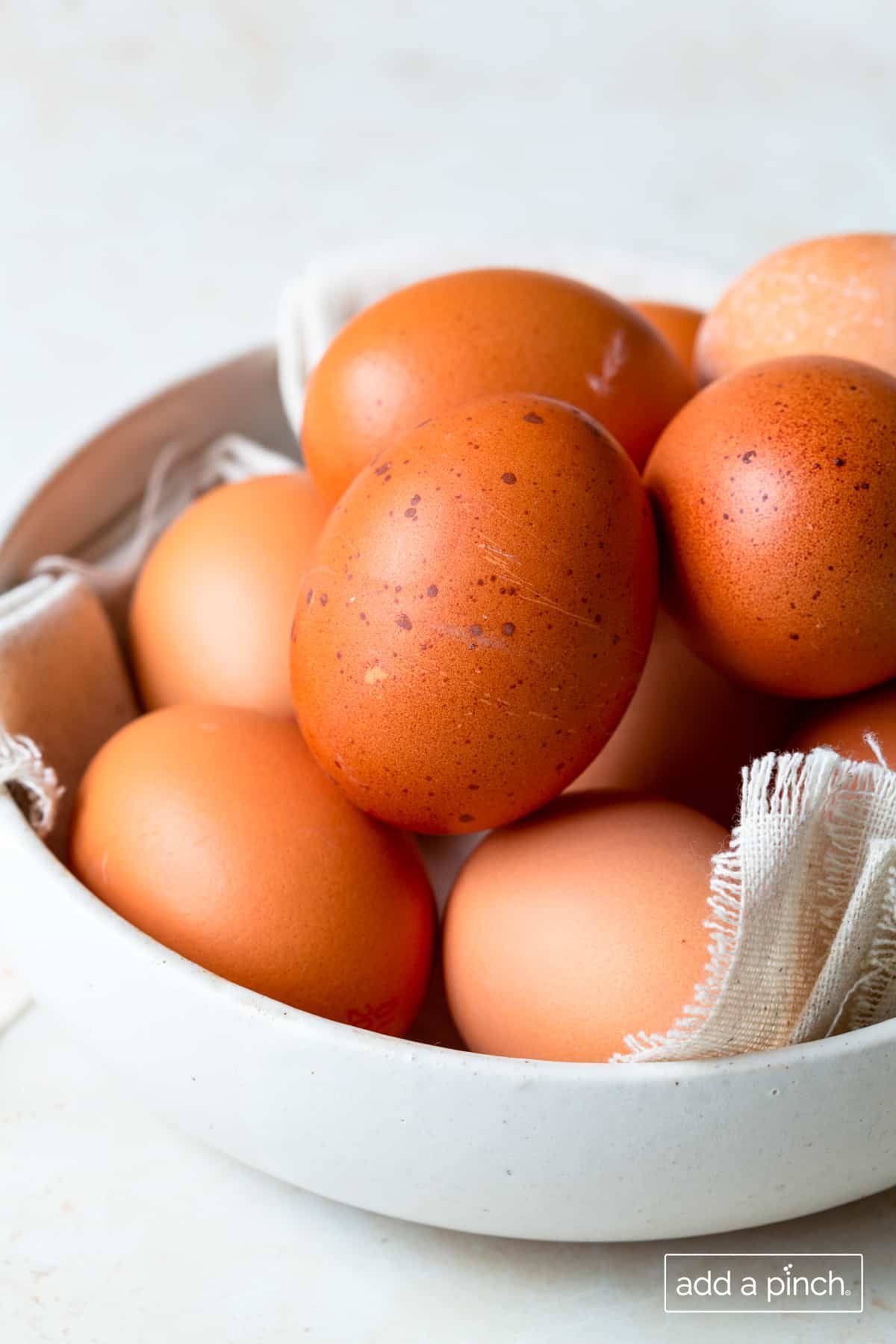
Eggs are undeniably a culinary cornerstone, celebrated for their incredible versatility. From binding ingredients in a savory quiche to lending richness and structure to a decadent chocolate cake, their roles in the kitchen are diverse and often indispensable. However, whether you're navigating dietary restrictions like a vegan lifestyle, managing an egg allergy, or simply find yourself fresh out of eggs mid-recipe, the need for reliable alternatives is a common kitchen conundrum. Fear not! This comprehensive guide is designed to empower you with a collection of easy egg substitute recipes that promise delicious results, proving that superb baking is entirely possible without a single shell.
Why You Might Need an Easy Egg Substitute
Understanding why and how eggs function in a recipe is the first step to successful substitution. Eggs aren't just one-trick ponies; they play multiple critical roles:
- Binding: They hold ingredients together, preventing crumbling. Think of cookies or meatloaves.
- Leavening: When whipped, eggs incorporate air, creating lift and lightness in cakes, meringues, and soufflés.
- Moisture: Their liquid content contributes to a moist, tender crumb in baked goods.
- Structure: Egg proteins coagulate when heated, providing stability and shape to your creations.
- Emulsification: Eggs help combine fats and liquids, creating smooth sauces and batters.
- Flavor and Richness: They add a distinct taste and luxurious mouthfeel.
Given these varied functions, it's clear why a single "universal" egg substitute doesn't exist. Instead, the best substitute depends on the egg's primary role in your specific recipe. Thankfully, your pantry likely holds several humble heroes ready to step in, making egg-free baking surprisingly simple and satisfying.
Mastering the Art of Easy Egg Substitute Recipes: Your Pantry Staples
Ready to discover the magic? Here’s a detailed look at some of the most effective and accessible egg replacements, along with tips to make them work wonders in your kitchen.
Applesauce: The Moisture Maestro
- Role: Primarily adds moisture and some binding.
- Best for: Muffins, quick breads, loaf cakes, brownies, and other baked goods where a tender, moist crumb is desired.
- How to use: Swap 1 egg with 1/4 cup unsweetened applesauce.
- Why it works: Applesauce contains pectin, a natural binder, and its high water content ensures your baked goods stay delightfully moist. Using unsweetened varieties prevents unwanted sugar and allows you to control the sweetness of your recipe.
- Pro Tip: While excellent for moisture, applesauce doesn't offer much in terms of leavening. If your recipe relies heavily on eggs for lift, consider adding an extra pinch of baking powder (about 1/4 teaspoon) per substituted egg to compensate. It's a fantastic swap for From Applesauce to Aquafaba: Best Egg Replacements Explored in simple cakes and quick breads.
Flaxseed Meal (The "Flax Egg"): The Binder Extraordinaire
- Role: Powerful binder and adds a subtle nutty flavor.
- Best for: Pancakes, cookies, dense breads, muffins, and recipes where binding is crucial and a slightly denser, chewier texture is acceptable.
- How to use: To replace 1 egg, mix 1 tablespoon of ground flaxseed meal with 3 tablespoons of water. Let it sit for 5-10 minutes until it forms a gel-like consistency.
- Why it works: Ground flaxseeds contain mucilage, a soluble fiber that absorbs water and creates a gelatinous texture remarkably similar to a raw egg white. It's also packed with healthy omega-3 fatty acids!
- Pro Tip: Don't skip the resting time – it's vital for the gel to form properly. For the freshest "flax egg" and maximum nutritional benefit, grind whole flaxseeds just before use. This is a game-changer for anyone seeking Out of Eggs? Top Swaps for Perfect Vegan & Allergy Baking.
Chia Seeds (The "Chia Egg"): Flax's Loyal Cousin
- Role: Excellent binder and adds nutritional value.
- Best for: Puddings, brownies, hearty baked goods, granola bars, and similar recipes where a slightly textured crumb is welcome.
- How to use: Combine 1 tablespoon of chia seeds with 3 tablespoons of water. Let it thicken for 10-15 minutes, until a gel forms.
- Why it works: Like flaxseeds, chia seeds create a gel when mixed with liquid, effectively binding ingredients. They are also a great source of fiber and omega-3s.
- Pro Tip: While black chia seeds are more common, you can use white chia seeds in lighter-colored baked goods to avoid noticeable dark specks, if aesthetics are a concern.
Silken Tofu: The Creamy Connoisseur
- Role: Binder, adds creaminess, and provides structure.
- Best for: Quiches, custards, cheesecakes, puddings, fudgy brownies, and dense cakes where you want a smooth, rich texture.
- How to use: Blend 1/4 cup of silken tofu until completely smooth to replace 1 egg.
- Why it works: Silken tofu has a high water content and a smooth, custard-like consistency when blended. Its protein content helps provide structure, making it a fantastic replacement for eggs in more substantial dishes.
- Pro Tip: Ensure your silken tofu is thoroughly blended to avoid lumps. For savory dishes, make sure to season your recipe well, as tofu has a very neutral flavor profile. It's excellent for adding richness without dairy.
Aquafaba: The Whipped Wonder
- Role: Binder, leavening (foaming), emulsifier, and adds moisture.
- Best for: Meringues, mousses, macarons, airy cakes, marshmallows, and even vegan mayonnaise. It also works well in pancakes and lighter baked goods.
- How to use: For 1 whole egg, use 3 tablespoons of aquafaba (the liquid drained from canned chickpeas). For 1 egg white, use 2 tablespoons, whipped until foamy for 10-15 minutes if needed for aeration.
- Why it works: The proteins and starches in chickpea brine mimic the functional properties of egg whites, allowing it to be whipped into stiff peaks, create airy textures, and bind ingredients effectively.
- Pro Tip: For best results, use unsalted chickpea liquid. To help stabilize whipped aquafaba, especially for meringues, add 1/8 teaspoon of cream of tartar. Chilling the aquafaba beforehand can also aid in whipping. This is one of the more surprising and versatile From Applesauce to Aquafaba: Best Egg Replacements Explored in the vegan world!
Ripe Banana: The Sweet & Sticky Swap
- Role: Binder, adds moisture, and natural sweetness.
- Best for: Muffins, quick breads, pancakes, some cookies, and recipes where the banana flavor will complement the overall taste.
- How to use: Mash 1/4 cup of very ripe banana to replace 1 egg.
- Why it works: The natural sugars and pectin in ripe bananas act as a binder, while their high moisture content contributes to a tender crumb.
- Pro Tip: Always use very ripe bananas (the spottier, the better) for optimal sweetness and binding power. Be mindful that banana will impart its distinct flavor to your baked goods, so choose recipes where this is a welcome addition, like banana bread or spiced muffins.
General Tips for Successful Egg-Free Baking
While these individual substitutes are powerful, a few overarching strategies can further enhance your egg-free baking journey:
- Understand the Recipe's Needs: Before substituting, consider what the egg is primarily doing in the recipe. Is it a binder? A leavener? A source of moisture? This will guide your choice of substitute.
- Start with Tested Recipes: If you're new to egg-free baking, begin with recipes specifically developed to be egg-free. This minimizes guesswork and maximizes success.
- Don't Over-Substitute: Most single-egg substitutes work best when replacing 1-2 eggs in a recipe. If a recipe calls for 3 or more eggs, you might need to combine different substitutes or opt for a recipe that naturally uses fewer eggs.
- Expect Texture Differences: While excellent, egg substitutes can sometimes lead to slight variations in texture. For instance, flax or chia eggs can create a denser, chewier crumb, while applesauce can result in a more tender product. Embrace these delicious differences!
- Adjust Baking Times: Egg-free baked goods can sometimes take a little longer to bake or might bake faster. Keep an eye on them and use the toothpick test for doneness.
- Embrace Experimentation: The world of egg-free baking is vast and exciting. Don't be afraid to try different combinations or ratios once you get comfortable.
Conclusion
The journey into egg-free baking is a rewarding one, opening up a world of culinary possibilities for those with allergies, dietary preferences, or simply a lack of eggs on hand. As this guide to easy egg substitute recipes demonstrates, you don't need exotic ingredients or complicated techniques to achieve delicious results. With pantry staples like applesauce, flaxseed, chia, tofu, aquafaba, and bananas, you can confidently tackle everything from fluffy pancakes to rich cakes, ensuring your baking adventures are always enjoyable and inclusive. So go ahead, experiment, explore, and delight in the versatility that these incredible swaps bring to your kitchen!
